Build original smart hardware
Use 3D printing or CNC to shape a device, then bring cameras, microphones, sensors, and the Agent into one interaction to create a new agentic experience.
Spotlight Shenzhen 2026
NEXT IS NOT GIVEN.
01 / WHAT WE ARE LOOKING FOR
The Agent understands context, calls tools, and completes the task—not just another chat box inside an existing product. Hardware, cross-device systems, and software are all eligible.
Use 3D printing or CNC to shape a device, then bring cameras, microphones, sensors, and the Agent into one interaction to create a new agentic experience.
Connect open-source watches, smart glasses, phones, and computers so the Agent can continue tasks across devices.
Mobile apps, desktop products, and websites are all eligible—but the Agent must complete the task.
02 / WHAT FINALISTS RECEIVE
Finalists enter a real developer and industry setting: first gaining exposure to thousands of attendees, then meeting companies, maker teams, and fellow projects. We also provide travel support so selected teams can get to Shenzhen.
Show your product to thousands of attendees, including engineers and product leaders from major companies, open-source contributors, and investors.
Put the product directly in front of users, partners, and potential backers.Meet company teams, maker groups, and other selected projects during the sprint and conference, with a working product as the starting point for collaboration.
Go beyond collecting contacts: start a useful product conversation.Finalist projects receive travel support to come to Shenzhen. Teams can attend GOSIM Shenzhen 2026 in person and watch the full conference program on October 16–17.
Travel cost should not keep a strong project away from the room.03 / WHAT THE FORM ASKS
The form takes about 10–15 minutes. Prototype and demo links must remain accessible during review.
04 / FORMAT
Spotlight is not an idea contest. It is an acceleration path from product conviction to public release. The standard rises at every stage until only work that can be experienced and verified remains.
Submit an interactive prototype, short video, and build plan
Finish a working product with software, hardware, and mentor support
Each project receives an on-site booth for ongoing demos and conversations, plus a dedicated slot on the conference main stage to present the product and give a live demonstration to the full audience.
05 / JUDGING
60% evaluates product value and AI UX; 40% evaluates whether the prototype is real, stable, and verifiable.
06 / OUTCOMES & OPEN SOURCE
Finalists should provide a public repository, technical note, or accessible product. Reasonable exemptions are available for commercial code, hardware designs, or private data.
Hardware is not required, but it is strongly encouraged. Designing a new hardware form or adapting an existing device can explore Agent-native interaction more fully; software-only projects remain eligible when software is the right medium for the core experience.
The core experience only needs to be clear and verifiable. A website, Figma flow, app, simulator, or device demo can all be a starting point.
Yes. Projects with strong design and a clear core experience may receive software-factory, TA, and engineering support on site, while remaining responsible for the result.
International: Sep 13. China: Oct 4. Both deadlines are in 2026 at 23:59 Beijing time (UTC+8). Results: International · Sep 18; China · Oct 9.
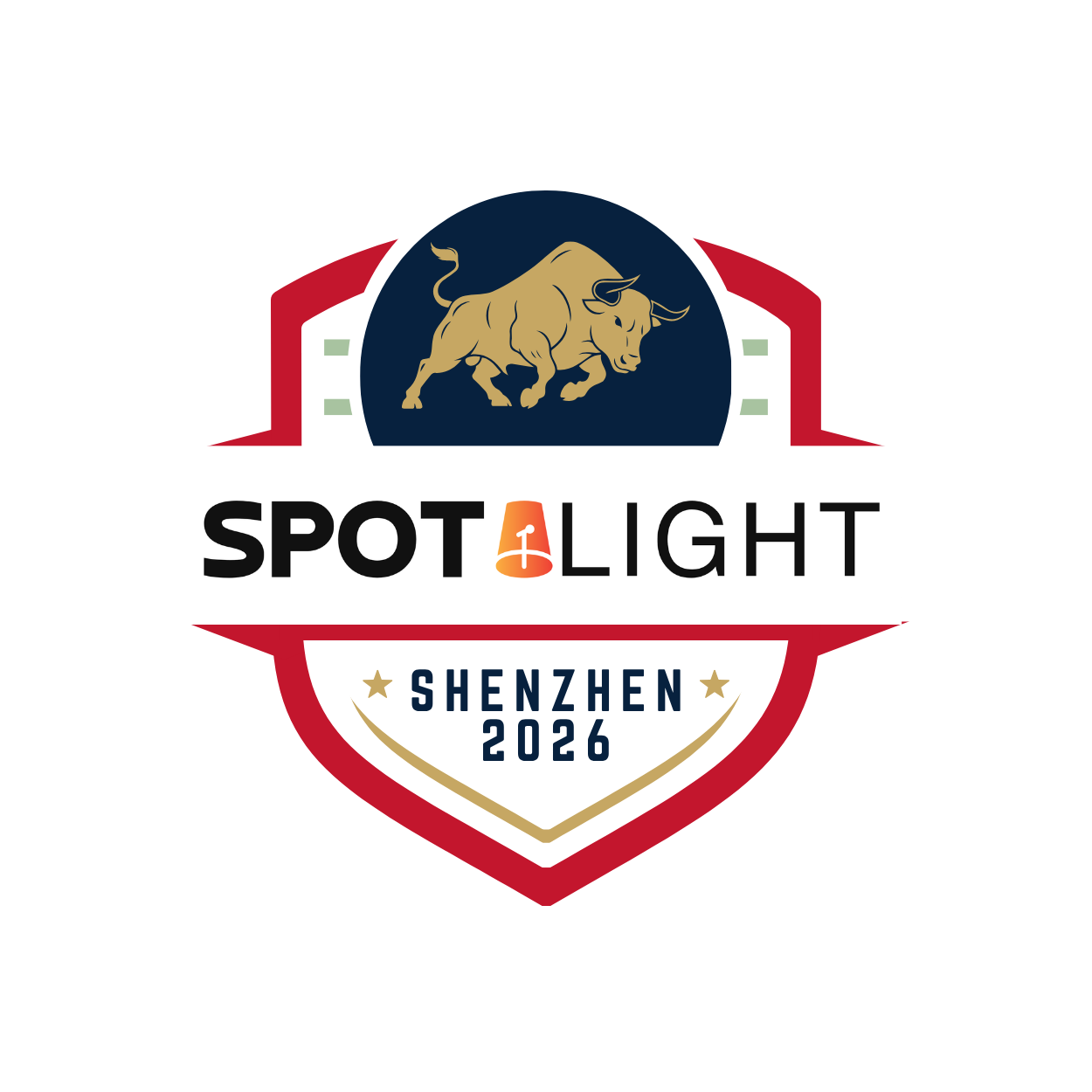 SPOTLIGHT / SHENZHEN / 2026
 SHENZHEN 2026 · THE EDITION BADGE
Every Spotlight edition has its own badge. In 2026, we gather in Shenzhen, with a golden pioneering ox poised to move forward as the emblem of this edition.
The pioneering ox holds a special place in Shenzhen’s story, representing the city’s drive to explore, innovate, and build through hands-on work. Our pioneering ox echoes that spirit and our invitation to creators: imagine boldly, experiment, and turn ideas into products people can use.
Bring what you’re building to Shenzhen. Take the next step together.
City story: Shenzhen and the pioneering oxREADY TO BUILD THE NEXT INTERFACE?
Submit your category thesis, system prototype, and first-release plan for Spotlight Shenzhen 2026.
Allow 10–15 minutes; submissions are accepted in English or Chinese